-
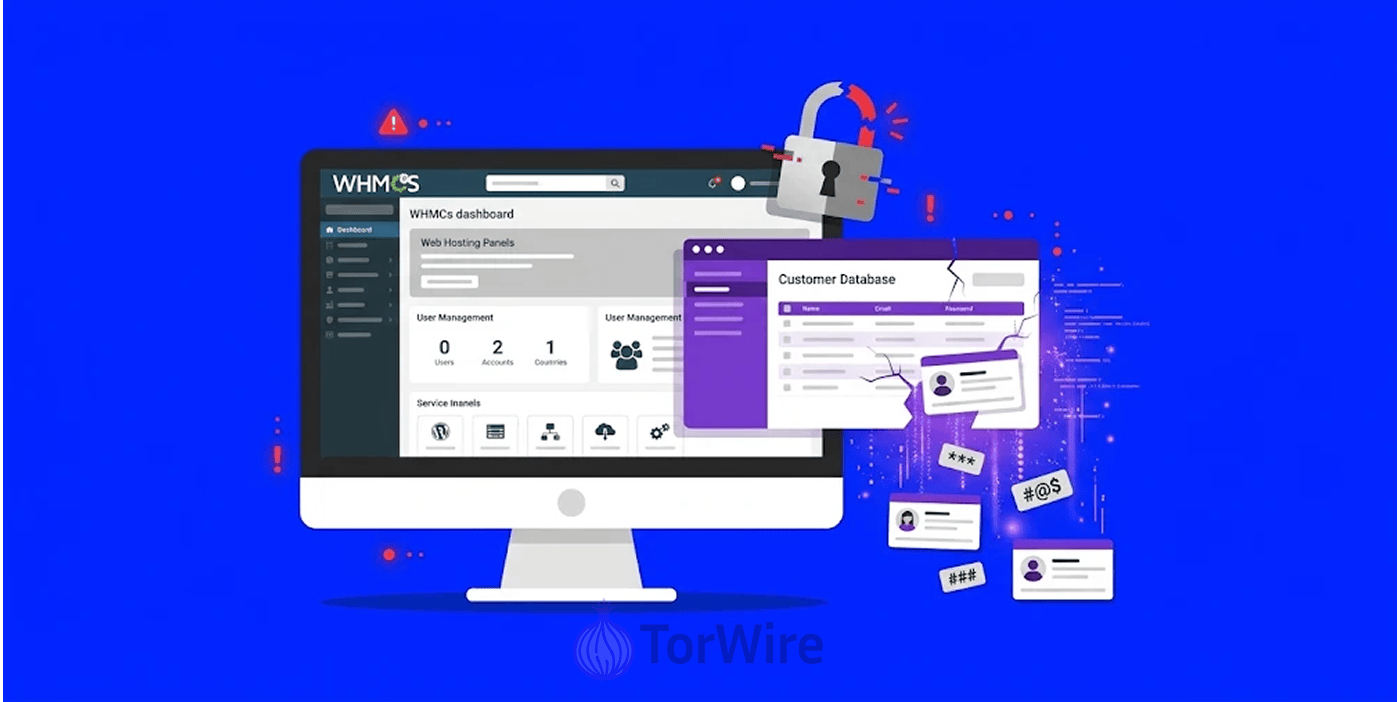
Three new WHMCS flaws could expose customer details, administrator password hashes, and server files.
-
One flaw, CVE-2026-82981, needs no login and carries a severity score of 8.7.
-
WHMCS released fixes and urged administrators to update their installations.
Web hosting companies that use WHMCS now face a fresh security warning. WHMCS is a popular billing and automation platform. The company has disclosed three flaws in its software. Together, they could expose customer records, administrator password hashes, and sensitive server information. WHMCS published three security advisories about them on November 23, 2026. The notices came from WHMCS itself, not from an outside group.
Each flaw has its own CVE number and its own advisory. The flaws touch the shopping cart, client permissions, and email campaigns. They also differ in who can use them. One needs no account at all. Another needs a client account with a special permission. The third needs a logged-in client and could even allow code execution on a server.
Shopping Cart Flaw Needs No Login to Reach Customer Data
The most worrying issue is CVE-2026-82981. It is an SQL injection flaw in the WHMCS shopping cart. This type of flaw can trick a database into handing over its data. The flaw has a severity score of 8.7 using CVSS, a scoring system that rates how serious a flaw is. Attackers do not need to log in to use it.
According to WHMCS, an attacker could pull information straight from the database of an affected installation. All of these records sit in the same database. Two groups of people could feel the impact. Customers could lose personal details and support records. Administrators could lose account records and password hashes.
A password hash is not the real password. Still, attackers could try to crack hashes offline. If they succeed, they might get into administrator accounts. The outcome depends on password strength and other security controls.
The flaw affects WHMCS 9.0.x releases before 9.0.10. It also affects 9.1.x releases before 9.1.2. The company has released fixes for both release branches. Administrators can compare their current version with those ranges.
Two More Bugs Target Client Records and Server Files
The second flaw, CVE-2026-82979, carries a severity score of 7.1. This one asks more of an attacker. The attacker must hold a client account with the View & Manage Contacts permission.
A malicious client with that permission could view other customers’ personal, billing, and support information. The flaw could also expose administrator account records and password hashes. So the damage could reach well beyond one customer account. Both of these flaws need a client account. Only the shopping cart flaw works without one.
Cybercriminals also use deceptive methods to compromise users and their devices. In a separate campaign, North Korean hackers reportedly infected 30,000 devices by using fake job offers, highlighting the risks of trusting malicious online content.
The third flaw, CVE-2026-93700, presents a more serious threat. It has a rating of 9.0 under CVSS 3.1, the highest number of the three. The problem lies in how WHMCS handles client-supplied data in email campaigns.
According to the company’s advisory, a logged-in client could use this flaw to read sensitive server configuration files. Those files include database credentials, which are the login details for the database. The flaw could also allow code execution on the affected server. That means an attacker could run their own commands there.
The server itself could come under attack. The CVE record says user interaction is required. However, the advisory does not explain the full attack process.
WHMCS Ships Patches and Adds Extra Steps for Email Campaigns
WHMCS has released patched versions 8.13.8, 9.0.10, and 9.1.2. Administrators should install the update that matches their supported release branch. WHMCS Cloud installations get updates automatically. Administrators of self-hosted installations must apply the fixes themselves.
However, an update alone does not close the email campaign flaw. WHMCS also tells administrators to delete all planned or ongoing email campaigns. They must clear the template cache as well. The company has not explained why existing campaigns must go. That makes this step easy to miss.
Self-hosted administrators therefore have three jobs to finish. They need to install the right version, delete the campaigns, and clear the cache. WHMCS lists the fixes in the same advisories that describe each flaw.
A researcher using the handle alakazamspooon reported all three flaws responsibly. WHMCS thanked the researcher in its security advisories. The advisories also give exact version numbers, so administrators can check their own installations.
Across all three flaws, the exposed items fall into four groups. They are customer information, administrator account records, password hashes, and server files. Reports say WHMCS had not disclosed any attacks using these flaws as of November 24. That detail comes from coverage published that day.
The new disclosures add to a year of security worries around the platform. WHMCS also patched an authorization flaw in May. It fixed an unauthenticated remote code execution flaw in September. That kind of flaw lets an attacker run commands without logging in.
Billing systems hold customer information and administrative access for hosting providers. The latest disclosures raise concerns about how well those records are protected. Delaying security updates could leave them open to attackers.