-
Cybersecurity researchers found a fake GTA VI download that a Google Colab notebook promotes.
-
The malicious file steals browser passwords, Steam and Roblox logins, and cryptocurrency wallet data.
-
Attackers disguise the malware as a 72 MB game and tell victims to ignore antivirus warnings.
Cybercriminals are using the hype around Grand Theft Auto VI (GTA 6) to spread malware. They offer a free PC download that looks real.
Researchers at cybersecurity firm Cynet uncovered the campaign. They found that a Google Colab notebook promotes a fake GTA 6 executable file.
An executable file is a program that starts when you open it. In this case, the program is not a game. It is a tool that collects personal data and digital money.
Google Colab Notebook Promotes Fake GTA 6 Download
The notebook acts as the first step in the scheme. It contains a download link. That link sends users to a website called Windows Software Hub. The page shows the supposed game as a real Windows application. It lists a version number and a download count, just like a trusted download site would.
It also displays security badges that call the file virus free, secure, and verified. The page even says that security checks found zero threats. Victims who follow the link never reach a real game.
Those claims are part of the deception. According to Cynet’s investigation, the page advertises a 72 MB download. The ZIP archive actually holds a 796 KB executable and a 1 KB README file. The real files are far smaller than the page promises.
The README file contains instructions that should raise suspicion at once. It tells users to run the executable as administrator. It also tells them to bypass Windows security warnings. If security software blocks the file, the README says to create an antivirus exclusion.
Antivirus software normally blocks harmful files, so the README asks victims to stop it from doing its job. These steps push victims to switch off protections that could stop the malware from running.
WARDEN Stealer Targets Passwords, Game Logins, and Crypto Wallets
Cynet identified the executable as a heavily obfuscated WARDEN Stealer loader. That means the code is scrambled to hide what it does. The file is not a genuine game installer. Cynet’s analysis found no game engine and no game assets inside it. It also found no Rockstar signatures and no other real GTA VI components.
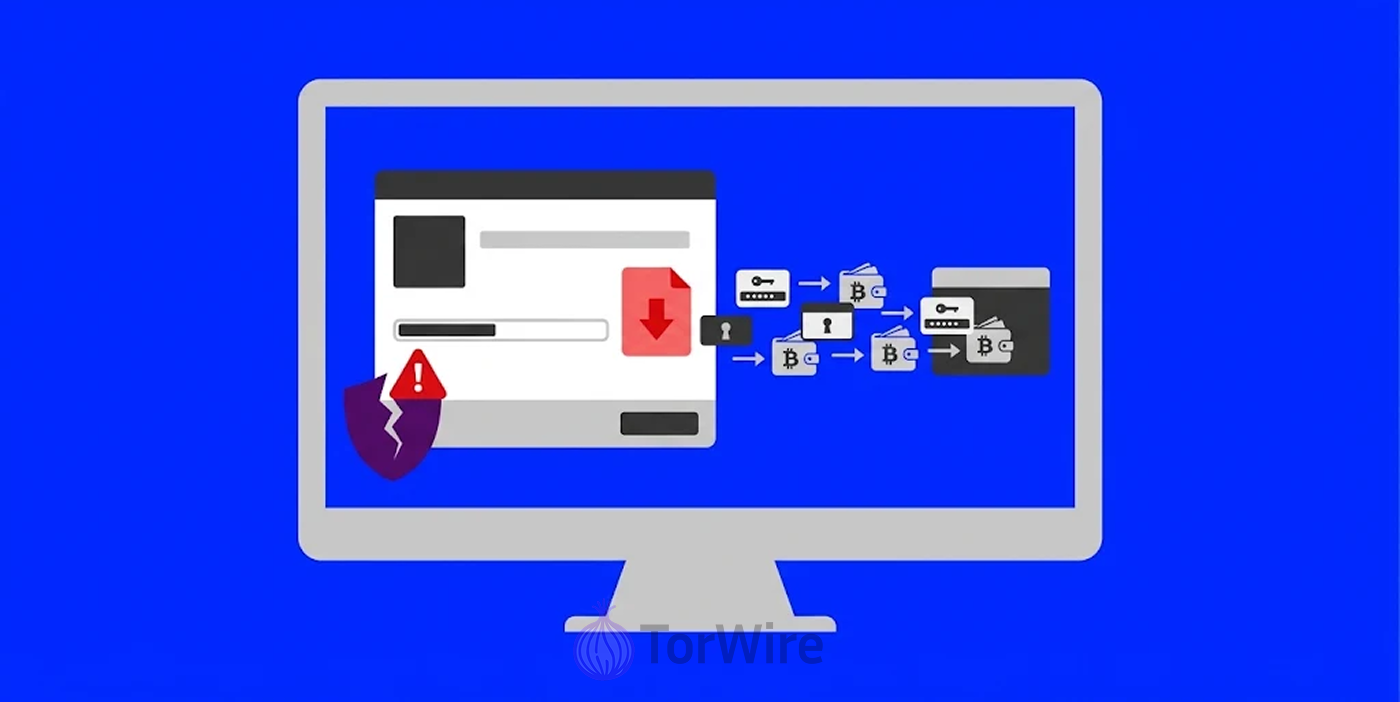
Once someone runs the file, the malware can collect many kinds of data. It can take saved browser passwords, cookies, and browsing data. It can grab browser extension secrets too. It can also steal Steam and Roblox login details, along with cryptocurrency wallet information.
The malware also checks whether it runs inside a virtual machine or a security sandbox. Both are testing spaces. This behaviour can help the malware avoid analysis by security researchers and automated detection systems. The malware can also inject code into browser processes.
Another feature targets the clipboard. The malware can replace cryptocurrency wallet addresses that a user copies. This creates a second financial risk. A victim may copy a legitimate wallet address. They could then paste an address that an attacker controls, without noticing. The malware can also download additional malicious files.
Cynet named uroker[.]casa as a probable command and control domain used by the malware. The company also published SHA-256 hashes for the malicious executable and its README file. Security teams can use these hashes to identify the files.
Cynet says its security platform detected and blocked the activity during testing. The platform raised a High severity alert for a malicious binary. It also raised a Critical alert for unauthorized memory access. These alerts show that the platform flagged the file as dangerous.
No Official GTA 6 PC Release Exists as Scams Grow
The timing of the campaign matters. Rockstar Games has confirmed that GTA VI will launch on November 19, 2026, for PlayStation 5 and Xbox Series X|S. The confirmed launch covers consoles only. The company has not announced a PC version. This makes any website that offers GTA VI PC installers, leaked builds, or free early access especially suspicious. Players should treat every such offer with caution.
The campaign also fits a wider pattern of attacks that target the game’s popularity. According to earlier reports, researchers found hundreds of GTA VI scam domains. These sites promote fake downloads, early access offers, and fraudulent game versions. Other reports say earlier campaigns used fake GTA VI downloads to spread password-stealing malware.
Cyberattacks targeting the gaming industry are not limited to fake downloads and player scams. In a separate incident, hackers claimed to have stolen Epic Games’ private repositories, although the company has yet to confirm the alleged breach. The claim highlights the wider cybersecurity risks facing major gaming companies.
Players should avoid unofficial GTA VI installers. Be extra careful with any file that asks for administrator access or an antivirus exclusion. Anyone who already ran the suspicious file should act quickly. First, disconnect the affected device from sensitive accounts.
Next, run a trusted security scan. Then change exposed passwords from a clean device, so the malware cannot see the new ones. Also review active sessions and check cryptocurrency transactions. The excitement around a major game release should not give attackers a chance to steal personal information and digital assets.