-
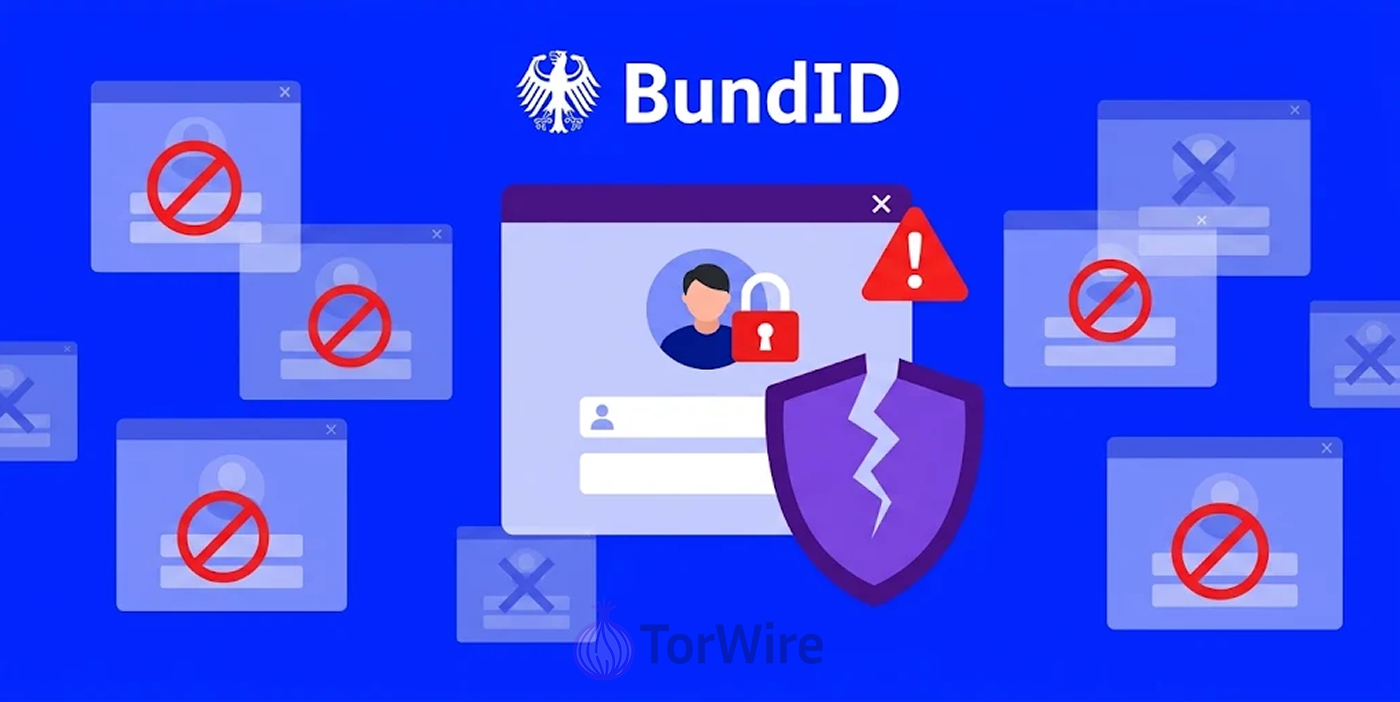
Automated login attempts hit citizens’ BundID accounts in Germany, causing widespread lockouts.
-
Germany’s cybersecurity agency says it found no proof that attackers broke into any account.
-
BundID turned off password logins for a while, then brought them back with an extra email code.
Germany’s central online login service for government services has come under attack. The service, called BundID, faced automated login attempts against citizens’ accounts. These attempts locked many people out of their accounts. Authorities then limited password-based access to the platform.
Germany’s Federal Office for Information Security (BSI) confirmed the incident on November 16. Affected users had already reported problems before the agency spoke. Their emails about blocked accounts were the first sign of trouble. The BSI said attackers used automated tools to try logins on BundID accounts. These attempts caused failed sign-ins, account suspensions, and automatic password-reset emails.
According to the BSI, security measures contained the attack. The agency also said it had found no evidence that attackers broke into any BundID account.
BundID Login Attack Triggers Mass Account Lockouts
BundID is Germany’s central digital identity account for government services. Citizens use it to send applications and receive official notices. They also use it to contact public offices. Linked services include child benefits and student financial aid, along with other administrative services.
The attack became clear when account holders got unexpected emails. The emails said their accounts were blocked after repeated failed login attempts. Reports suggest the attackers flooded BundID with these attempts. That set off the account protection system, which blocks access after several failed tries. The lock exists to guard accounts from strangers. In this case, it also shut out some people who never made the attempts.
The BSI confirmed that the failed attempts caused suspensions and password-reset emails. However, it did not say how many accounts the attack affected. It also did not name the people behind it.
One report said the incident involved a method called credential stuffing. Attackers take usernames and passwords from older data breaches. They then test those logins on other websites. Automated tools do this work at high speed.
The attackers hope people use the same password on many sites. The BSI has not said where the logins came from. It has not named the attack method either. For now, the credential stuffing claim comes from a report, not from the agency.
Officials have not said how long the attempts lasted or how many people got emails. The public only has the BSI’s short statement and what users shared. Users shared that the blocks followed repeated failed tries they did not make.
Users Report Blocked Accounts and Odd Login Records
Users began sharing their stories before the official confirmation, and their posts gave an early look at the problem. On a security forum, a user named MarcusB said his BundID account was blocked. He had not made the login attempts that caused it. His account history showed eight failed attempts spread across the night.
MarcusB then changed his username and password. Eight more failed attempts followed, and the account was blocked again. Other users described similar problems. A report said readers of a Windows and IT blog shared lockout emails and records of odd login attempts. In one case, the repeated attempts stretched over several hours.
These accounts show how much trouble users faced. They also show how the lockouts looked from the user’s side, with sudden emails and repeated blocks. However, they do not prove that attackers reached anyone’s personal information. Another report said the cyberattack failed, and that password login was not available at that time.
BundID Restores Password Login With an Extra Security Step
After the incident, BundID briefly turned off logins with usernames and passwords. Users could still enter through other methods, so access did not stop completely. These included Germany’s electronic identity card (eID) and ELSTER certificates.
Later reports said password logins came back with a new rule. According to one report, users must now enter a one-time code sent to their registered email address. This adds one more check to stop unwanted access. A password alone no longer opens an account through this route. Users whose accounts were already locked still had to reset their passwords. They could also pick another login method.
The BSI has not shared the technical steps it used to stop the attack. Its statement only says that security measures contained it. It has also not published how many accounts were affected.
The incident raises worries about the safety and reliability of digital government services. The attack reportedly failed to break into accounts. Still, it locked out real users. That shows how automated login attempts can disrupt key online services. A system built to protect accounts can also block honest users when attackers target it.
Additionally, Germany is tightening controls over sensitive government information in response to broader cybersecurity concerns. Separately, in July 2026, German intelligence tightened its control over classified data. In this move, the country demonstrates its broader commitment to safeguarding sensitive information and government operations.
For now, Germany’s cybersecurity authorities report no sign of hacked BundID accounts. The identity of the attackers remains unknown. Their location is also unknown. So is the full size of the incident.