-
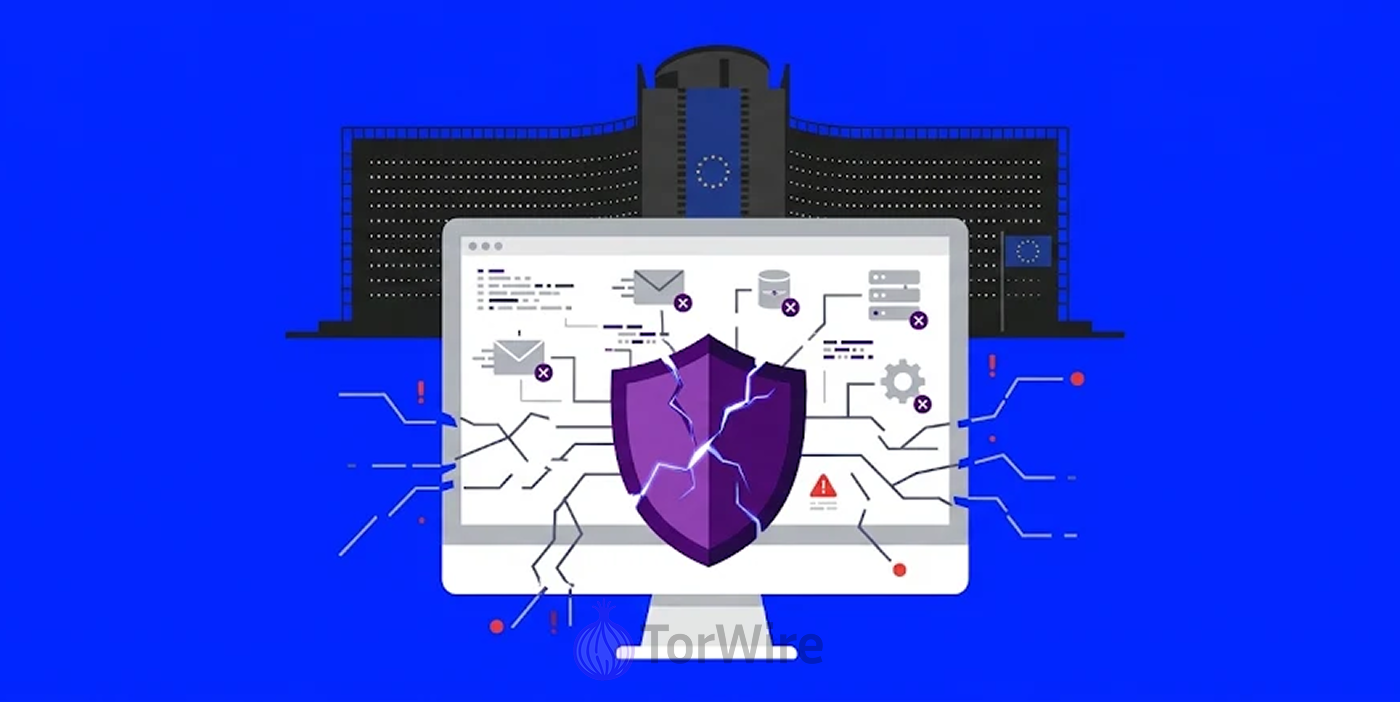
A cyberattack disrupted European Commission staff services for more than 10 days, including HR and medical refund systems.
-
Reports say hackers used ARTEX, an AI-powered tool that tests computer systems for weak spots.
-
The Commission says it has stopped most of the attack, but investigators still do not know if hackers took any personal data.
The European Commission has confirmed a cyber campaign against its internal systems. The disruption hit several staff services and lasted more than 10 days. Reports say the attack may have put large amounts of personal data at risk. Investigators have not yet found out whether hackers got into any information. They also cannot say whether hackers took any of it.
POLITICO published a report on Thursday, November 19. It says the attack affected important admin services that Commission employees use. By then, the disruption had lasted more than 10 days. An EU official also spoke about the incident, according to reports.
Commission spokesperson Thomas Regnier confirmed that the institution responded to a cyber campaign it had detected. He said the attackers targeted individual systems. He added that the Commission told the people affected, following its standard steps.
The Commission believes it has stopped most of the attack. Even so, the full extent of the damage remains unknown.
Payroll, Leave and Medical Refund Systems Disrupted
The Commission itself confirmed the cyber campaign and the targeting of individual systems. The details about specific platforms come from POLITICO’s reporting. That includes the names of the affected systems. It also includes the timeline of outages.
According to POLITICO, the attack disrupted Sysper, the Commission’s human resources platform. Employees use it to view payslips, request leave, and record their working hours.
MyPMO also suffered problems. This internal platform processes refunds for medical expenses. Teams also took several other apps offline as a safety step. Both Sysper and MyPMO reportedly came back earlier this week. However, Sysper went down briefly again on Wednesday. The report says translation services felt the impact as well.
Cybersecurity and online fraud remain wider concerns for EU institutions and digital services. The European Commission is also investigating Booking.com over fake listings and phishing scams.
The Commission then called an emergency meeting of its Corporate Management Board earlier this month. This board serves as the Commission’s top internal crisis body. The meeting reportedly focused on the ongoing cyber incidents.
The digital services department also ordered extra security checks. Technology Commissioner Henna Virkkunen updated her fellow commissioners on the response. She spoke at Wednesday’s meeting of the College of Commissioners.
Hackers Reportedly Used an AI Testing Tool
The report names a tool called ARTEX. It is a penetration-testing framework powered by AI. In simple terms, it is software that looks for weak spots in computer systems. The tool is publicly available online.
POLITICO says CERT-EU is the cybersecurity service for EU institutions. According to the report, CERT-EU detected the activity earlier this month. It found that international threat actors used the public tool. These actors are hacking groups from around the world. They hunted for weak spots in IT systems.
CERT-EU also published a security warning about ARTEX on November 5. The agency issued this warning separately from the POLITICO story. It explained that the tool can scout systems automatically, which experts call reconnaissance. It can also find setup mistakes, called misconfigurations. It can test for weak spots using AI-driven agents.
Check Point Research has also recorded crime campaigns linked to ARTEX. Its November 5 report found more than 1,800 ARTEX setups open to the public. The report also describes how attackers used AI agents to automate much of their work. It focuses on crime campaigns linked to the tool, not on the Commission itself.
However, neither the CERT-EU warning nor the Check Point research confirms that ARTEX was used in this attack. That link comes only from POLITICO’s reporting.
Social Media Users React to the Prolonged Outage
The incident has drawn reactions on X. Some users asked how an institution that handles major digital rules could face such a long security disruption.
One account, @CoffeReport, answered critics who doubted the reliance on POLITICO’s reporting. The account said other reports also covered the incident. It added that it clearly separated confirmed facts from details credited to POLITICO.
Another user, @lklancir, described the attack as part of a growing pattern that affects organisations and service providers. The user pointed to a race between finding weak spots and fixing them. The user suggested that AI could speed up both tasks when humans direct it.
@raccoonline_vpn questioned whether digital privacy protections can be trusted. The user argued that the organisations that enforce privacy rules can also fall victim to cyberattacks. Meanwhile, @buildwithpb joked that the hackers had given Commission staff an unusually long break. The user made the joke because the attack disrupted payroll systems.
The posts mix criticism, concern, and humour. These reactions point to wider worry about the use of AI in cyberattacks. They also show doubts about whether large institutions can protect sensitive information. For now, the Commission has not publicly confirmed any successful data theft. It has not named the attackers either. The investigation continues, and the full extent of any exposure remains unknown.