-
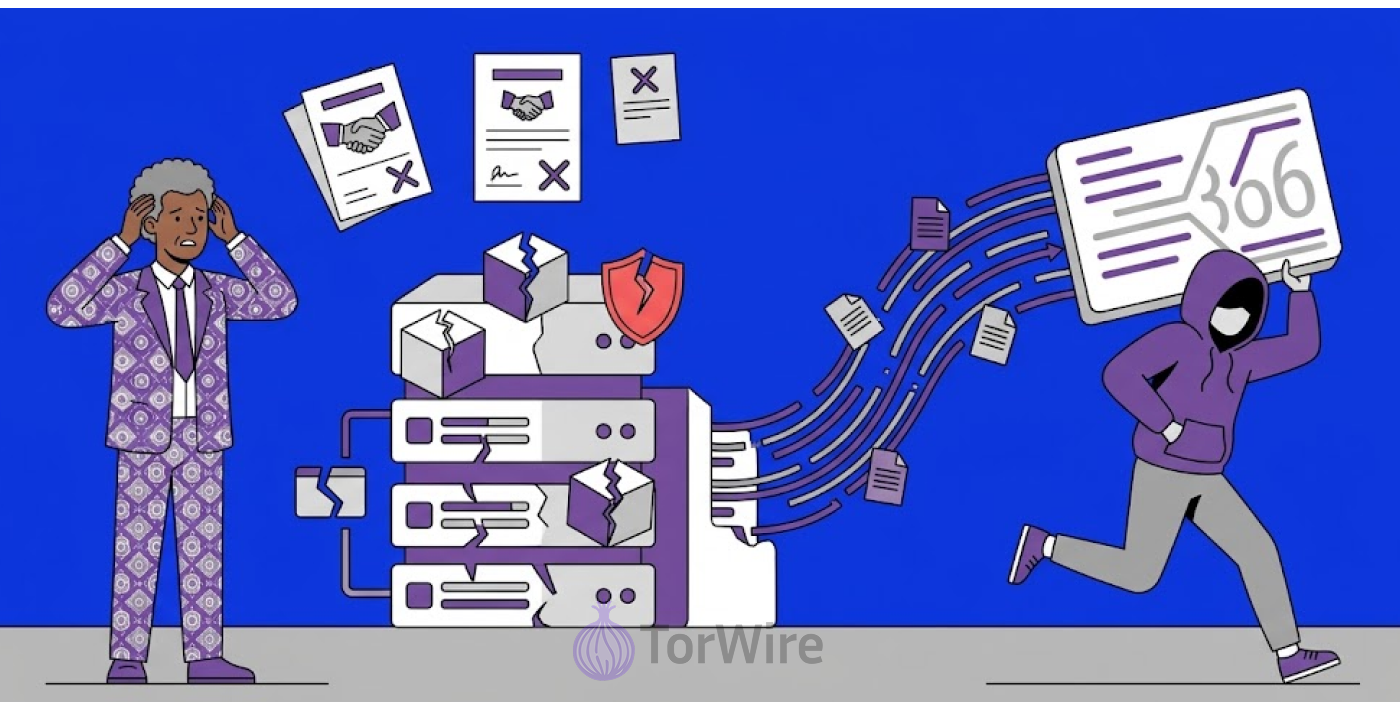
A malicious actor has reported that they hacked the South African insurance company Rand Mutual Assurance and acquired 366GB of its data.
-
The criminal wants $95,000 and states that they may leak this data on November 5, 2026, but they showed no evidence of the attack.
-
RMA has not confirmed any incident, and the claim remains unverified while the insurer handles sensitive worker compensation data.
A threat actor has posted a claim about a South African insurer on an underground forum. The target is Rand Mutual Assurance, often called RMA. The seller claims the theft of 366 GB of data from the company.
RMA engages in the compensation of work-related injuries and diseases. In this capacity, the organization has access to sensitive information relating to injured employees. Such claimed details may include their identity numbers as well as data concerning their medical and banking records.
What the Seller Claims to have Stolen
The actor lists specific figures in the forum post. They claim to have taken 1,683,810 claim records. They also say the dataset contains 593,786 files amounting to approximately 366 GB in total.
The seller is demanding a ransom of $95,000 and establishing a deadline for RMA until November 5, 2026. If RMA does not pay by then, the actor says they will release the data publicly.
The post did not provide screenshots or samples as evidence, nor is it made clear how the seller managed to hack the RMA. It follows the belief of security experts that claims without evidence usually appear on such forums. Some participants list the name of their target at first in an attempt to blackmail the victim. Others tend to exaggerate the scope of their theft.
The severity of the breach is remarkable. The dataset of 366 GB is large enough for one insurance company. This may indicate that the actor downloaded records of several years.
Also, this might mean that the hacker combined other files with the purpose of making the total amount of the claim higher than it actually is. However, researchers are unable to say which of these explanations is true without any samples.
Why RMA Data is Sensitive
RMA processes compensation claims for people hurt at work. Such claims contain medical records and histories of treatments. They also include identity numbers and banking information for payouts. This makes them a very attractive target for criminals.
A separate incident involved a hacker claiming to have stolen 80 million records linked to South African laboratory group Ampath, highlighting concerns about the exposure of sensitive personal information.
Criminals may use this data to commit identity theft by opening accounts or filing claims in a victim’s name. The medical information can be valuable in other types of scams since a criminal can pose as a medical service provider or an insurer.
Individuals making claims with RMA may face danger as a result of the data breach. Criminals can send messages to them with details about past injuries or claims. Such messages are more difficult to identify as they contain accurate details of the victims.
South Africa has strict regulations regarding this type of data. The Protection of Personal Information Act (POPIA) regulates the handling of personal data. Companies must secure the data they hold. They must also report breaches to the regulator and to affected people. A leak of claim records would likely trigger those duties.
The Ransom Demand and Deadline
The $95,000 demand is small compared to many ransomware cases. Large corporate breaches often involve demands in the millions. A lower figure may suggest the actor is a smaller operator. It could also mean the actor wants a quick payment.
The November 5 deadline gives RMA about two weeks to respond. The actor says they will release the data if payment does not arrive. This tactic is common in extortion cases. It creates urgency and public pressure on the victim.
RMA has not confirmed any security incident. Moreover, the organization has not made a public statement about the matter. Authorities in South Africa have also not commented on the incident so far.
In addition, the demand puts the matter of intent into question. A small amount could suggest an individual rather than an organized group. Such individuals often do not have the means to attack a large-size insurer. They may instead have purchased the access from a different criminal. That pattern is common in the region.
What the Claim Means for RMA and Its Clients
If the breach is real, RMA faces several problems. The company would need to notify affected workers and regulators. It could face legal action under South Africa’s data protection law. The POPI Act requires companies to protect personal information and report breaches.
RMA’s clients include employers and compensation funds. These organizations trust RMA to protect worker data. A leak could damage that trust. It could also expose the insurer to financial penalties.
Workers who dealt with RMA should stay alert – they should watch for unexpected calls or messages about their claims. They need to confirm any request for personal or banking information. It is safer for them to get in touch with RMA through official channels than reply to any questionable message.
RMA should investigate the claim quickly. It should check its systems to find evidence of intrusion. Also, it should analyze access logs and see if any unusual activity took place. If an intrusion happened, it should inform all affected.
In addition, the insurance company should check who has access to its claim system. Limitations in authorization may decrease risks connected to access to the system. Multi-tier authentication may increase safety as well. Regular backups will allow the company to restore its systems without paying ransoms.