-
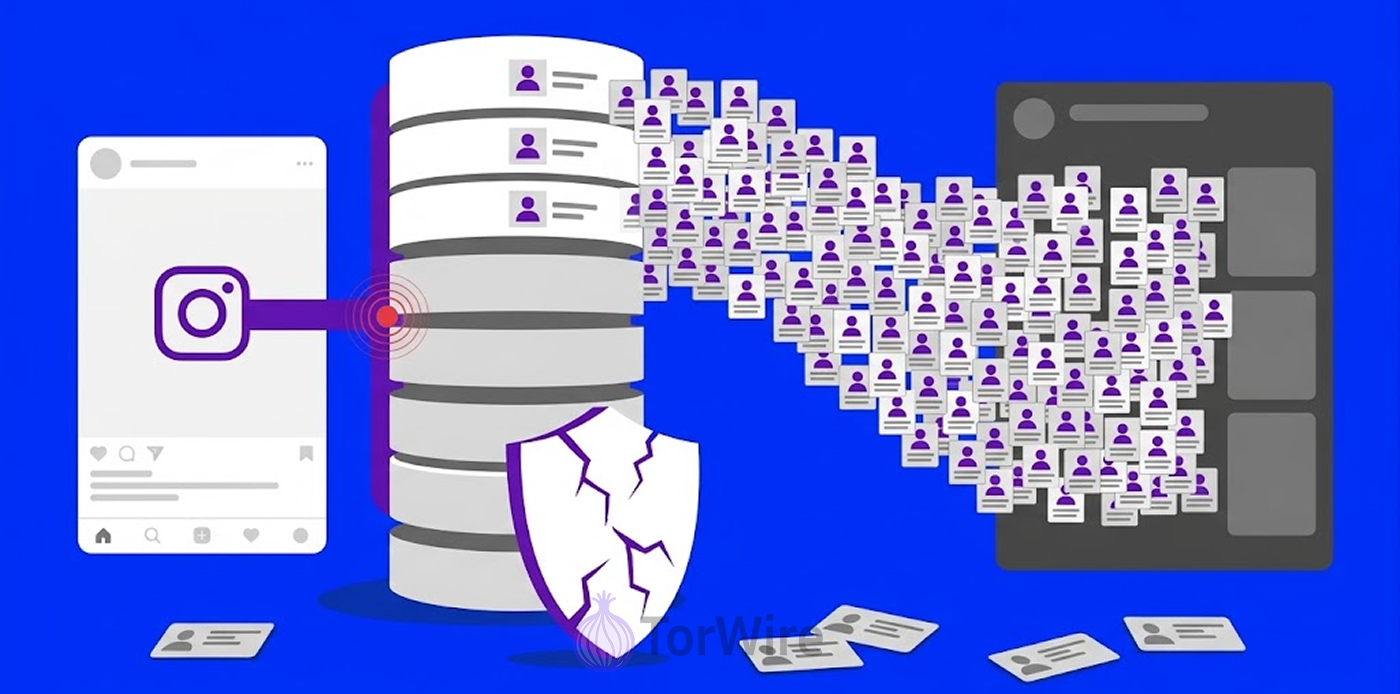
A hacker claims to be selling 401 million records linked to Ctrip, a major Chinese travel platform.
-
The listing reportedly includes names, phone numbers, addresses, and flight, hotel, and train booking details.
-
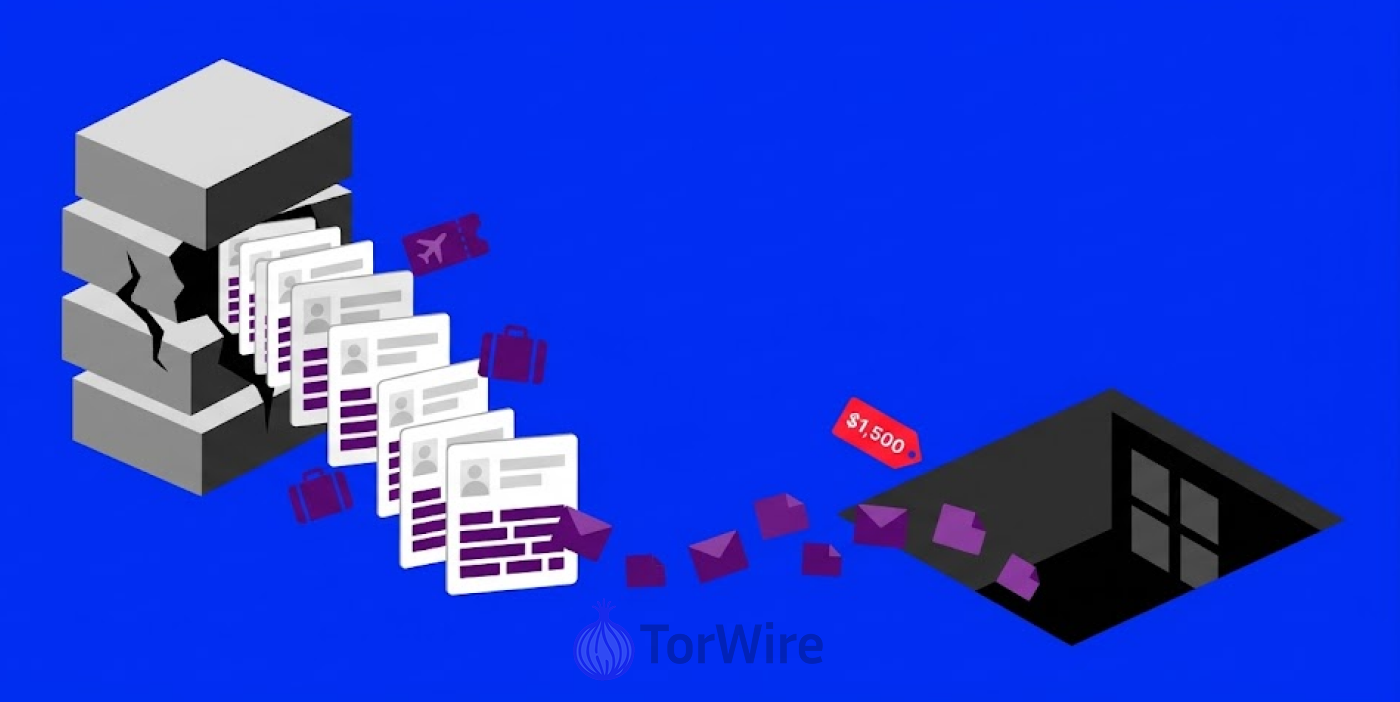
The seller wants $1,500 in cryptocurrency, but nobody has verified the breach or the data.
A hacker on a dark web forum says they hold customer data from Ctrip. Trip.com Group runs the Chinese online travel platform. The seller reportedly wants $1,500 in cryptocurrency for the full dataset.
The claim sounds huge, but it remains unproven. No one has confirmed that Ctrip’s systems were hacked. Nobody has shown that the records are real either.
Hacker Offers Ctrip Records on Dark Web Forum
According to a post by Dark Web Intelligence on X, the seller lists several types of customer details. These include full names, phone numbers, street addresses, and user IDs. The listing also mentions account statuses and registration dates.
The post says the data covers hotel, railway, and flight bookings. The seller also claims the records show booking histories, upcoming departure dates, and payment totals. Each record could therefore reveal a lot about one traveler.
The asking price is $1,500, paid in cryptocurrency. The seller has not shared proof that the records came from Ctrip. The figure of 401 million records comes only from the seller’s own advert.
Travel Details Could Help Scammers Fool Victims
Booking data can give criminals real facts to work with. A scammer who knows your name and phone number can sound believable. Add a travel date, and the message looks even more real.
Travel-related fraud can also involve much larger schemes. In a separate case, authorities extradited an Ivorian man to the United States over an alleged $14 million fraud targeting travel agencies.
For example, a scammer could send a fake note about a flight change. Another could claim that a hotel booking needs a new payment. Others might pretend to be an airline or a travel agency. Each message would use true details to earn the customer’s trust.
Victims could then click harmful links or share their account logins. Some might send money through fake payment channels. Booking counts and payment totals could also help criminals shape their messages for each person.
These dangers are possible risks only. Nothing in the listing shows that such scams have already happened. The report treats them as concerns tied to the advertised data.
Experts and Trip.com Leave the Claims Unconfirmed
The huge number of records raises questions. A seller who claims 401 million records has not proven 401 million customers. Many records could belong to the same person.
Group-IB, a cybersecurity firm, published a study in May 2026 on data adverts across Chinese-speaking cybercrime forums and Telegram channels. Its researchers found that many listings held fake information. Others used data that had already leaked in earlier incidents. Such adverts did not point to new breaches.
That finding opens the door to other explanations for the Ctrip listing. The data could be repeated, old, or pulled together from other sources. Without verified samples and expert checks, its source and true size stay unknown.
Trip.com Group’s 2025 annual report adds some background. The report describes the company’s security monitoring and its steps for handling incidents. It also covers how the company manages risk. The company states that it had not faced a major cybersecurity incident as of the report’s date. It says no incident was likely to hurt its business, strategy, or finances in a major way. That statement does not cover any incident after the report period.
The company has not confirmed the alleged exposure. No public statement from Trip.com Group has been found on the 401 million records. No technical evidence has linked the company to the advertised data either.
Trip.com Group runs several travel brands. These include Ctrip, Trip.com, Qunar, and Skyscanner. Its platforms handle customer sign-ups and travel bookings, so personal and booking details matter to its work. The company’s privacy policy explains what customer information the platform collects and how it protects it. Its data protection page describes its use of encryption and access controls.
The company has faced a data scare before. In 2014, Ctrip publicly addressed a possible exposure of customer information in an SEC filing. That case has no link to the current claim.
For now, the sale remains a claim from one hacker. The price and the record count do not prove the data is real. They also do not prove that Ctrip’s systems were hacked. More data checks and an official reply from the company would be needed to settle the matter.