-
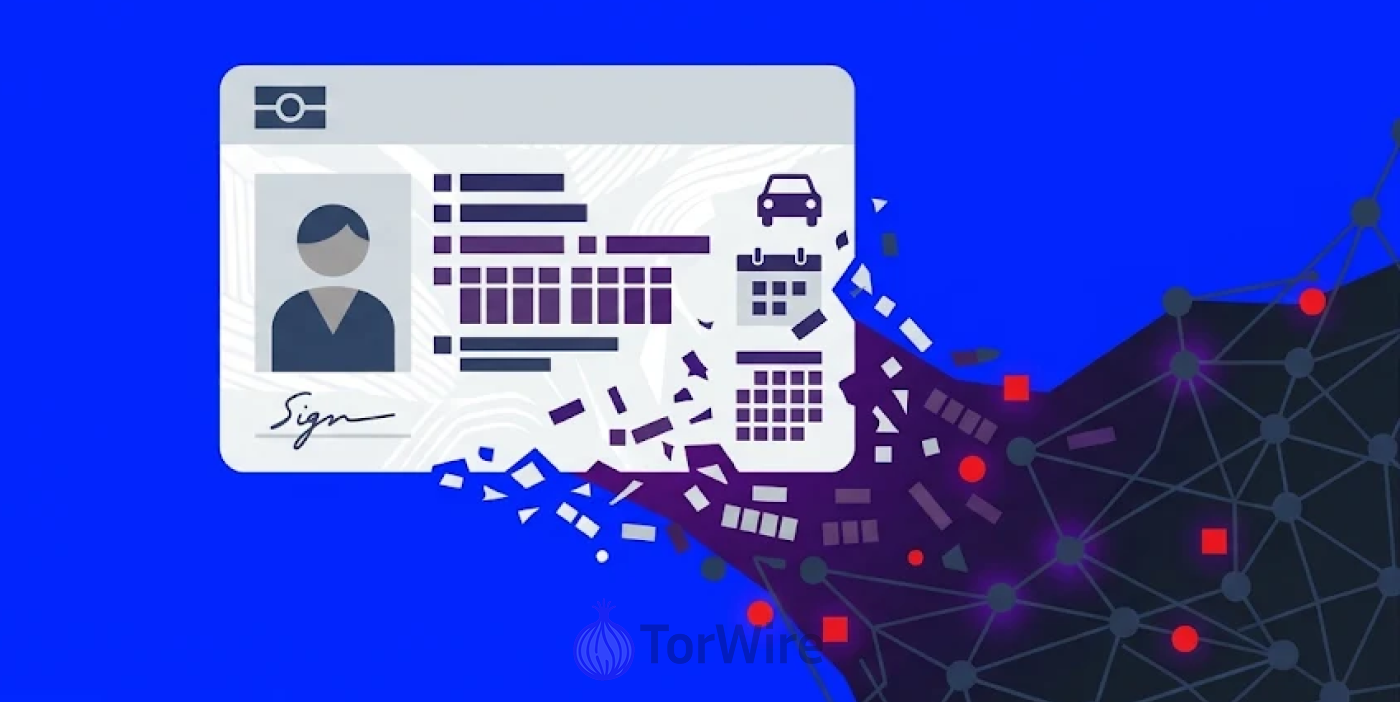
A hacker claims to have leaked driver’s licence records linked to Argentina’s National Road Safety Agency (ANSV).
-
The advertised data reportedly includes names, DNI numbers, birth dates, nationality, sex, and licence details.
-
Nobody has confirmed the dataset is real, and its size remains unknown.
A hacker says they have leaked personal data tied to Argentina’s National Road Safety Agency (ANSV). The claim has raised fears of identity theft and targeted phishing. The data reportedly comes from the country’s driver’s licence system. Nobody has confirmed that yet.
The claim appeared in a post by Dark Web Intelligence on X. The post describes a dataset of driver’s licence records. It says the hacker allegedly took them from Argentina’s national licensing system. The same post is the main source of the whole story.
Hacker Advertises Alleged ANSV Licence Records
According to the post, the leaked data includes full names and national identity numbers (DNI). It also lists sex, nationality, and dates of birth. Driving licence details appear on the list as well. Together, these fields describe each licence holder in detail. The post lists them as the main parts of the advertised dataset.
The post leaves several big questions open. It does not explain how the hacker got the records. It also does not say how many people the leak may affect. Readers only see a list of data types, with no proof attached.
Another source repeats the claim. Kalir, an underground threat intelligence service, recently flagged an alleged ANSV licence database leak in its own listing. That gives the story a second reference point. It does not prove the data is genuine, though. Two mentions of one claim still leave the records unchecked.
At the time of writing, nobody has independently confirmed the dataset. No one has tested a sample of the records. No official statement has confirmed the size of the exposure. ANSV’s response could settle some of these doubts. Its answer may show whether the records came from its own systems, an outside provider, or another source.
Argentina Investigated a Similar Licence Data Theft in 2024
The new claim arrives after an earlier licence data incident in Argentina. On April 17, 2024, the Public Prosecutor’s Office announced a preliminary investigation into stolen driving licence information. ANSV had filed a complaint with the office. Reports had surfaced about a 1.2-terabyte dataset for sale through a Telegram channel. That case began as a preliminary step, which means the checks were still at an early stage.
According to the prosecutor’s office, the advertised data allegedly included licence records of ordinary citizens. It also covered government officials and public figures. Investigators downloaded the offered dataset. They then began checking whether it was real. The Federal Police’s cyber patrol division also joined the case.
Reports say the thieves took the records from databases of the National Directorate of Automotive Property Registries (DNRPA). That detail shows which agency’s systems the 2024 investigation focused on.
The Santa Cruz provincial government shared another view on the same day. The statement appeared on the province’s road safety agency page. It said national authorities had contained the intrusion. They also limited access to information shared with certain organisations that support digital driving licences.
The statement added that ANSV maintained its position. ANSV said citizens’ sensitive information and its main databases had not been compromised. Both cases involve driving licence information in Argentina. The 2024 offer appeared on a Telegram channel, while the new claim surfaced in a post on X.
These reports show that Argentina investigated a licence data incident before. They do not connect that case to the new claim. No verified evidence links the two events. The origin of the new dataset stays unclear.
Identity Theft and Phishing Risks If the Records Prove Real
If the newly advertised records are genuine, people in the dataset could face real risks. Names, DNI numbers, and dates of birth can help criminals build convincing impersonation attempts. Attackers could use these details to write targeted phishing messages. Such messages feel more real when they include true facts about the reader. They could also pose as government agencies. Some might attempt fraudulent identity checks.
Argentina has also faced separate claims involving the exposure of national identity information. In another reported case, a hacker claimed that 48 million records had been leaked from Argentina’s National Identity Registry. Such claims highlight the potential risks when personal identification details become available to cybercriminals.
Driving licence details could make social engineering attacks more believable. A criminal who already knows someone’s identity details may win their trust faster. That could happen during phone calls, emails, or online chats. A caller who quotes correct personal facts sounds far more convincing.
There is one limit to keep in mind. Personal data in an advertised dataset does not automatically let criminals enter government accounts or financial services. Having a name and a DNI number does not guarantee that kind of access. The risk depends on what else the criminals know and what they try next.
For now, the claim rests on a social media post and one underground listing. Neither source offers a confirmed record count or a validated sample. Neither links the leak to the 2024 case. Until more evidence emerges, the incident remains an unverified data leak claim. It is not a confirmed breach of Argentina’s national driving licence system.